Photos · 5 min read
AI product photography vs a studio shoot: which is right for you?
Compare AI product photography and studio shoots on cost, speed, realism and best uses. When AI images work well, when a camera is better, and how to mix them.
Published
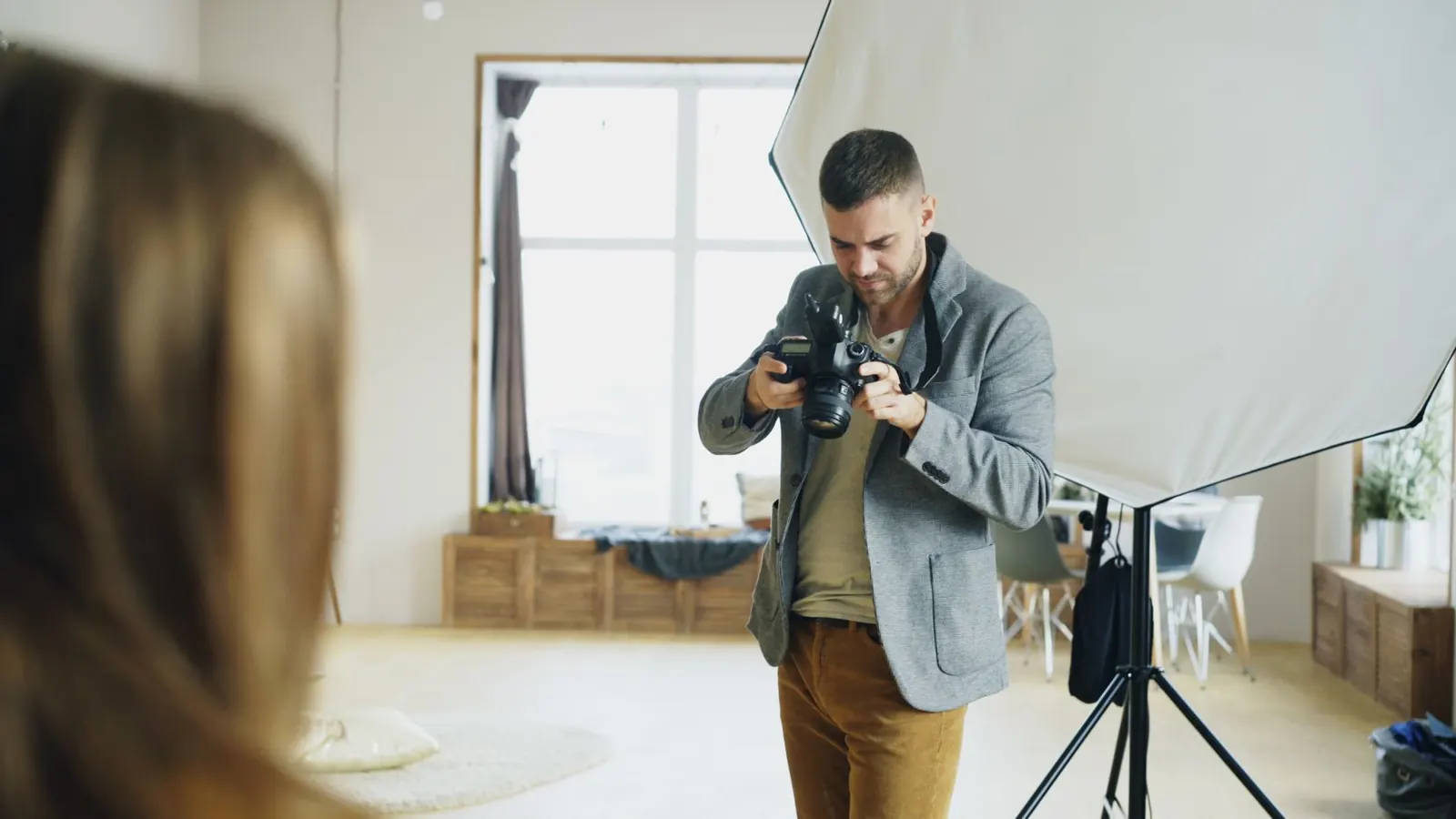
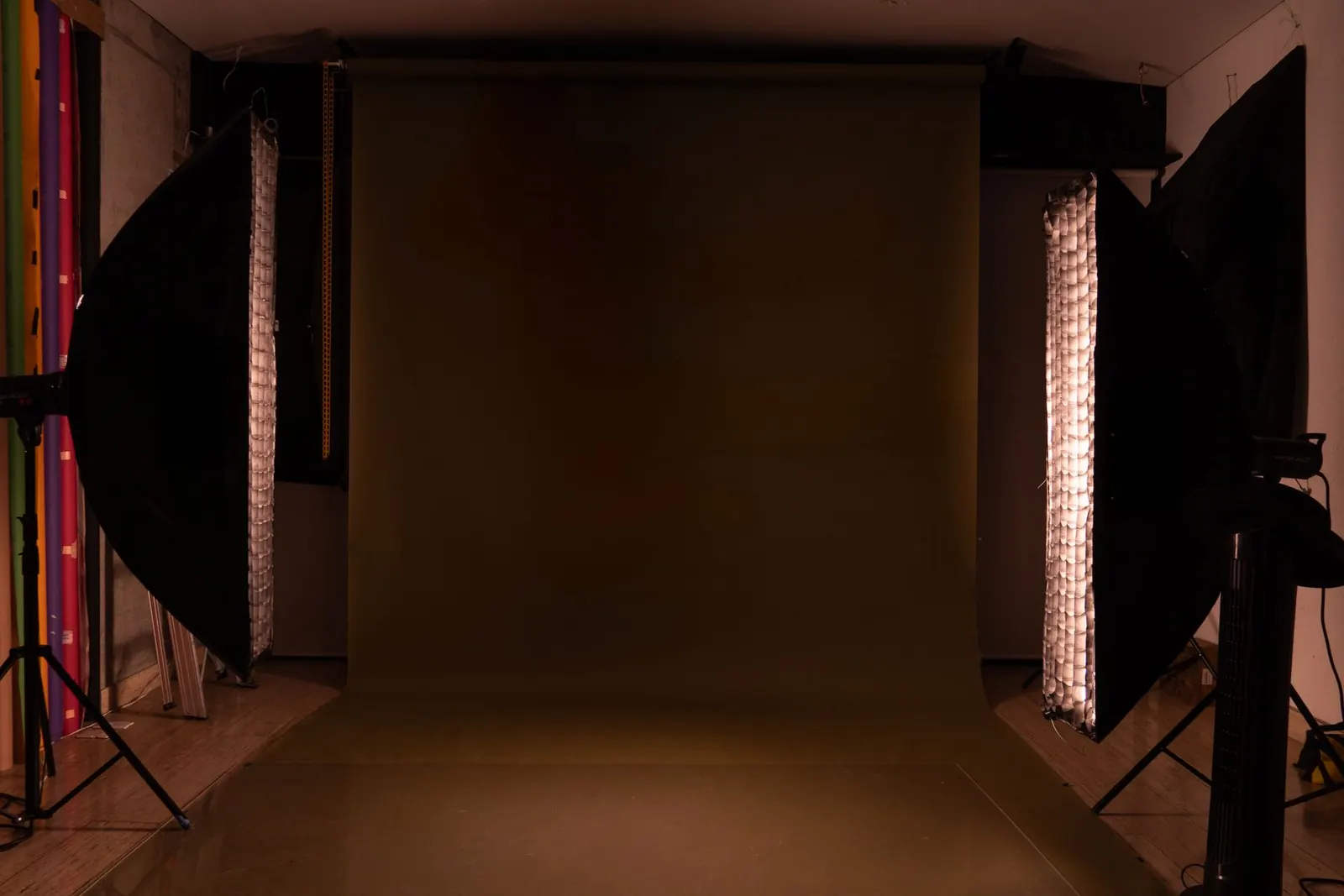
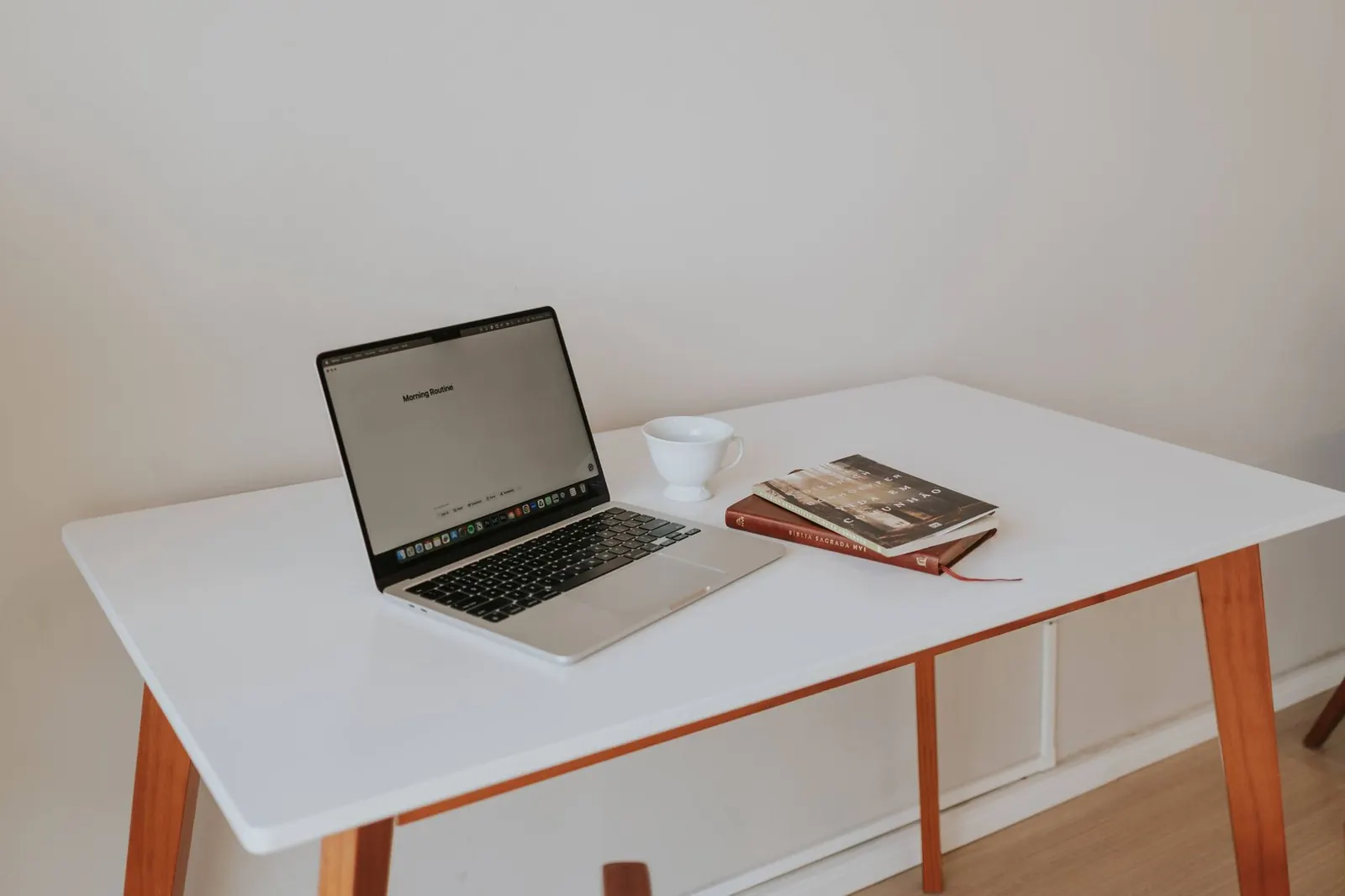
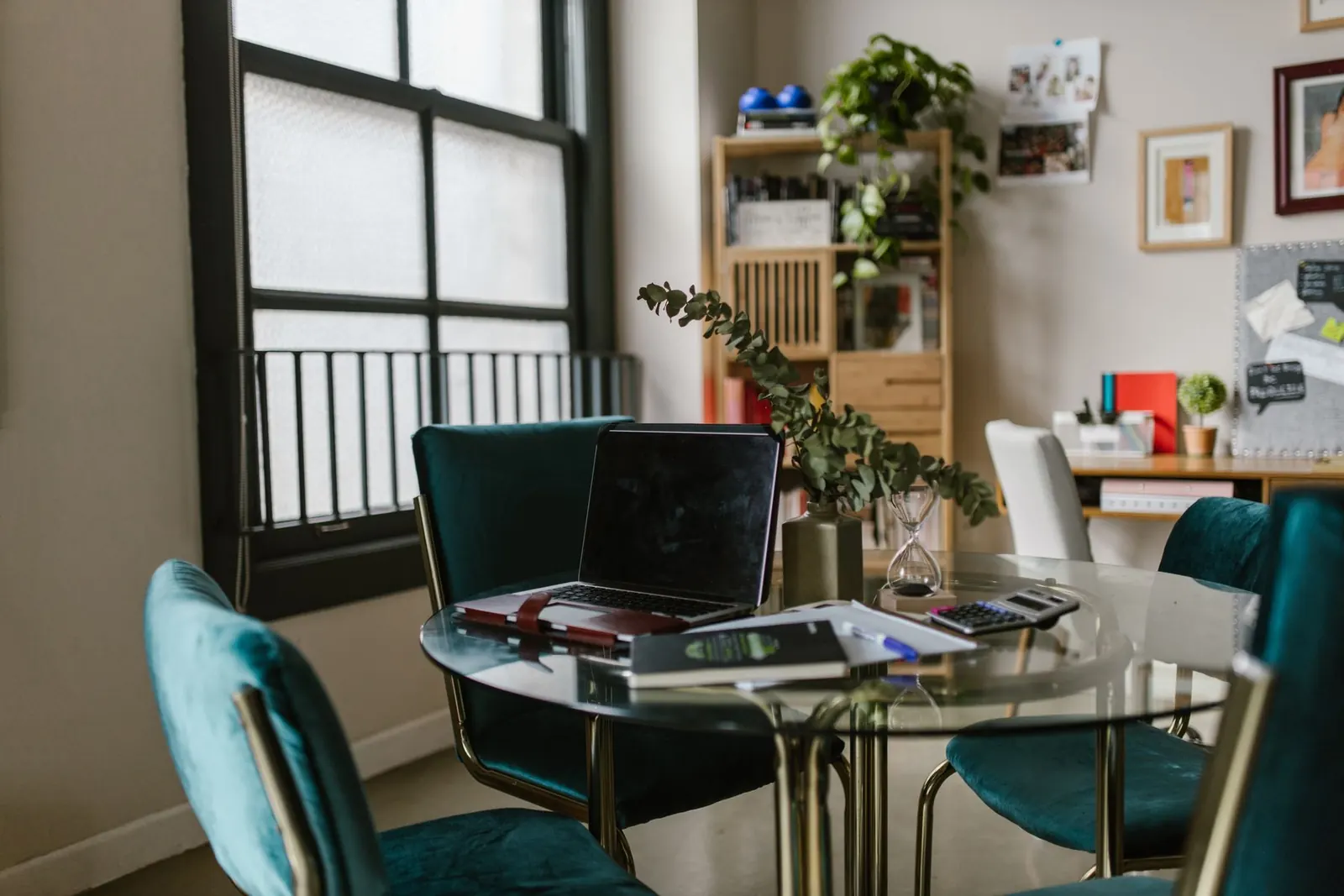
A few years ago, getting good product photos meant booking a photographer, shipping samples, renting a studio and waiting a couple of weeks. Today you can place your product in a sunny kitchen, on a marble counter or in a model's hand without leaving your desk.
So should you skip the studio? Not always. Here is an honest comparison to help you choose.
How AI product photography works
There are different approaches, but the good ones follow the same idea:
- You send real photos of your product. Clear, well-lit shots from several angles. A phone is often enough.
- The product is cut out and kept exactly as it is. Shape, label, color and details come from your real photos.
- A new scene is created around it. A kitchen, a beach, a studio backdrop, a seasonal setting.
- Professional editors retouch the result. Shadows, reflections, edges, lighting and color are fixed by hand so the product sits naturally in the scene.
The editing step matters. Fully automatic tools are fast, but they often get small things wrong: floating products, odd shadows, warped labels. Those details are what make an image look cheap.
The comparison
| AI product photography | Studio shoot | |
|---|---|---|
| Cost per image | Low, especially at volume | Higher, with day rates, props and models |
| Speed | Days | Often one to three weeks including planning |
| Variety | Many scenes from the same product photos | Each new setting is a new setup |
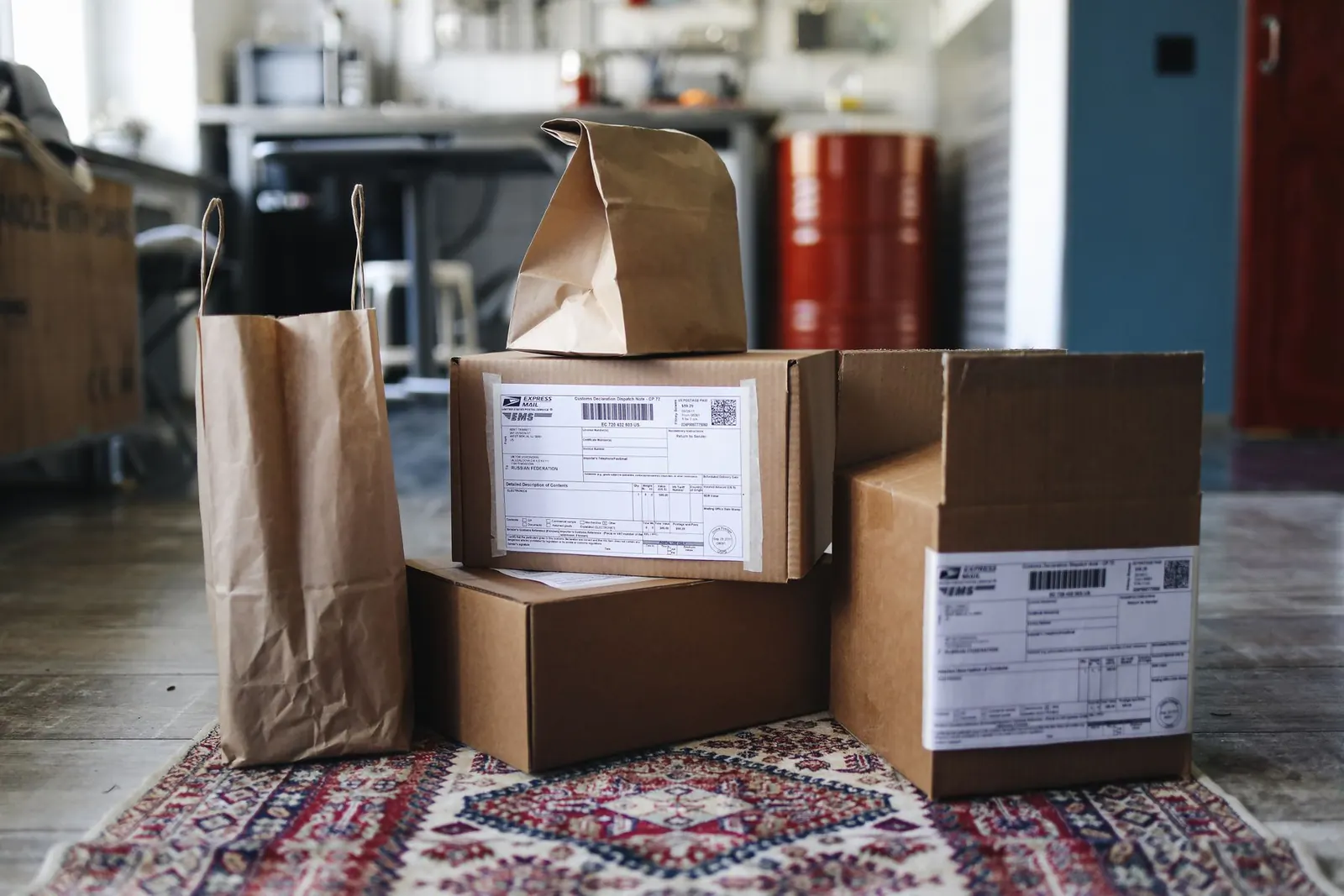
| Shipping samples | Not needed | Needed |
| Models and hands | Possible, best for simple poses | Real people, any pose |
| Fine textures | Good with good source photos | Best |
| Video | Limited | Easy to add on the same day |
When AI photos work best
Lifestyle images for online stores. Show a candle on a cozy shelf, a bottle by a pool or a mug on a breakfast table.
Seasonal updates. Swap a summer scene for a winter one without reshooting.
Ads and testing. Make several versions of a scene and see which one gets more clicks.
Large catalogs. Consistent backgrounds and lighting across hundreds of products.
Small budgets. When a studio shoot is simply not affordable, good AI images are far better than plain phone photos.
Our AI product photography service starts at $249 for 100 images, retouched by professional editors.
When a studio is better
Clothing on real bodies. Fit, drape and movement are still best captured on a real model.
Highly detailed or reflective products. Fine jewelry, glassware and metal can need real lighting to look right.
Food. Steam, texture and freshness are hard to fake well.
Brand campaigns with people. If the face of your brand matters, hire a photographer.
Video. If you need video too, a studio day can capture both.
Honesty matters
The goal of product photography is to help customers see what they are buying. That means:
- The product must look exactly like what arrives at the door: same color, same size, same details.
- Scenes can be creative, but they should not suggest features or accessories that are not included.
- Marketplaces have their own image rules, especially for main images. Follow them.
We keep the product accurate in every image and never promise images that "cannot be detected". The aim is beautiful, honest photos, not fooling anyone.
A smart mix for small businesses
Most of our customers end up mixing both:
- Clean product shots from a simple setup or a phone with good light.
- AI lifestyle images for the store, social media and ads.
- A small studio shoot later for the hero products once sales justify it.
This gets you a professional-looking store fast, without spending your launch budget on a single photo day.
How to get better results from AI photos
The quality of the final image depends heavily on what you send:
- Shoot in daylight, near a window, without direct sun.
- Use a plain background and fill the frame with the product.
- Take front, back, side and close-up shots.
- Make sure labels are sharp and readable.
- Send the real color references if your product comes in several shades.
What it costs, roughly
Prices vary by region and photographer, so here is how to think about it rather than a single number.
A studio shoot usually charges for the photographer's time, often by the day or half day, plus studio rental, props, styling, models and editing. Those costs make sense when you need many images in one go, or when people are central to the shoot.
AI product photography is usually priced per image or per set. Because the scene is created around your existing product photos, there is no studio, no shipping and no model fees. That makes it especially affordable for lifestyle images and large catalogs. With us, 100 images cost $249, and our monthly plans suit stores that add new products regularly.
The best value usually comes from using each method where it is strongest.
Questions to ask any provider
Whether you choose a studio or AI, ask:
- Will the product look exactly like the real one?
- Who retouches the final images?
- What formats and sizes will I get?
- Can I use the images commercially, including in ads?
- How many revisions are included?
The bottom line
AI product photography is fast, affordable and flexible, and with professional retouching it looks photorealistic. Studio shoots still win for clothing, food, fine detail and campaigns built around people. Start with AI to launch and test, and add studio work where it earns its cost.
Ready to try it? See AI product photography or read how to plan an online store.