Commerce · 6 min read
How to start a dropshipping store on a small budget
A realistic guide to starting a dropshipping store with little money: picking products, suppliers, a simple Shopify store, honest listings and cheap tests.
Published
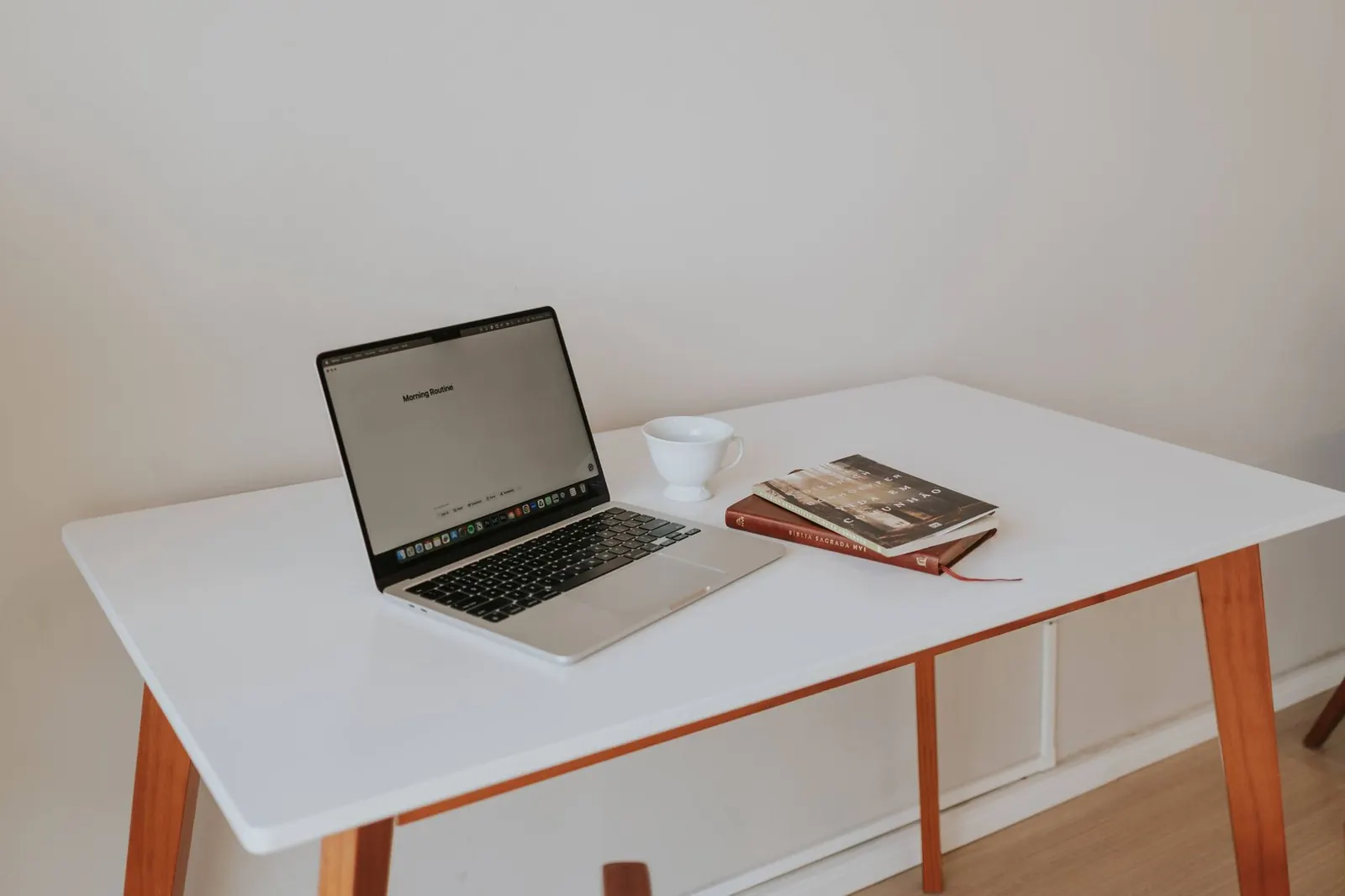
Dropshipping means you sell products online without holding stock. When a customer orders, your supplier ships the item directly to them. It is one of the cheapest ways to start selling online, which is exactly why it attracts so many people, and why so many stores look the same.
This guide is for people who want to start carefully, with a small budget, and give themselves a fair chance. It will not promise you a fortune. It will show you where your money is best spent and where it usually gets wasted.
Be honest about what dropshipping is
You are not buying a money machine. You are starting a small retail business where someone else handles warehousing and shipping. You still need to choose products people want, present them well, set fair prices, answer customers and handle returns.
The good news is that you can test ideas without buying stock. The hard part is that thousands of other sellers can find the same products. Your edge comes from choosing a niche, presenting products better than others and treating customers well.
Step 1: Pick a niche you understand
A general store that sells everything usually looks untrustworthy. A focused store, for example products for home bakers, dog owners or desk setups, is easier to brand, easier to write for and easier to advertise.
Pick a niche where you understand the customer. If you know what dog owners worry about, you can write better product pages and spot good products faster. A small, clear niche also makes your ads cheaper, because you can speak directly to one group of people.
Step 2: Research products before you build anything
Product choice matters more than your theme, your logo or your apps. Look for products that:
- Solve a clear problem or are easy to show in a short video.
- Are not available for the same price in every local shop.
- Have a healthy margin after product cost, shipping, platform fees and ads.
- Ship in a reasonable time to your main market.
- Have suppliers with good ratings and consistent quality.
Avoid products with heavy regulation, fragile shipping or sizing that leads to lots of returns, at least for your first store. Write every candidate down with its unit cost, shipping time and expected selling price. If you would rather have this done carefully, our product research pack gives you a researched shortlist with costs and notes, without any earnings promises.
Step 3: Order samples
Before you sell a product, order it yourself. Check the quality, the packaging, the real colors and how long it took to arrive. Take your own photos and short videos while you have it in your hands. Real footage of the actual product is more convincing than supplier images that hundreds of stores already use.
Samples cost a little money, but they protect you from refunds, bad reviews and chargebacks later.
Step 4: Set up a simple store
You do not need a complex store to start. A clean theme, a clear homepage, good product pages, honest shipping information and the usual policy pages are enough. Shopify is a common choice because it is quick to set up and works with most dropshipping apps.
Keep the first version small:
- A homepage that says what you sell and for whom.
- Five to fifteen products, not hundreds.
- Clear shipping times and costs on every product page.
- A simple returns policy you can actually honor.
- A contact page with a real email address.
If you want this done for you, Shopify store setup starts at $249 and is done in your own account. Shopify plans and app fees are always paid directly to Shopify and the app developers.
Step 5: Connect your supplier
Dropshipping apps such as DSers or AutoDS connect your store to suppliers, so orders, stock and tracking update without copying and pasting. Set your pricing rules carefully, round prices sensibly and show realistic shipping times. Test the flow by placing an order yourself.
Most early problems come from this step: wrong prices, products that sell out at the supplier but stay live in your store, or orders that never get sent. Our supplier and app setup handles it from $79.
Step 6: Rewrite every product page
Supplier descriptions are often hard to read and sometimes inaccurate. Rewrite them in plain language. Say what the product is, who it is for, the real size and materials, what is in the box and how long delivery takes. Use your own photos where you can, and product mockups for designs that are not printed yet.
Never invent reviews, fake stock counters or false discounts. Besides being dishonest, they break consumer protection rules in many countries and damage trust the moment a customer notices.
Step 7: Test cheaply
Once the store works, test demand with a small budget. Short product videos on TikTok or Instagram, either organic or with a small ad budget, are a common way to start. Test a few products and a few video hooks, give each test enough time and judge them on real results such as add to carts and sales, not likes.
Ad spend is paid directly to the platform. If you use our product video ads or ads management, our fee covers our work only, and we say so up front.
Where small budgets usually get wasted
- Too many apps. Each app adds a monthly fee and often slows your store. Start with the few you need.
- Expensive themes before you have sales. A free theme set up well is enough to start.
- Courses that promise easy money. The useful information is mostly free. The rest is practice.
- Scaling too early. One good day is not a trend. Wait for consistent results before you increase spend.
- Ignoring customer service. Slow replies and unclear shipping times cause refunds and chargebacks.
A realistic first month
In week one, choose your niche and research products. In week two, order samples and set up the store. In week three, connect your supplier, rewrite product pages and test the order flow. In week four, start small tests with videos and ads, and write down what you learn.
After the first tests, run a store audit or ask a friend to buy something while you watch. You will spot problems you could not see yourself.
The bottom line
Dropshipping is a cheap way to start selling online, not a shortcut to easy money. Choose a niche you understand, research products properly, order samples, keep the store simple and honest, and test with small budgets. If you want help with the pieces, our Dropshipping starter kit bundles product research, supplier setup, a branded Shopify store and listings for $399.