Games · 5 min read
What to expect from a game prototype
A game prototype is not a small game. It is an experiment about one mechanic. Here is what you get, how to test it with players, and how to read the results.
Published
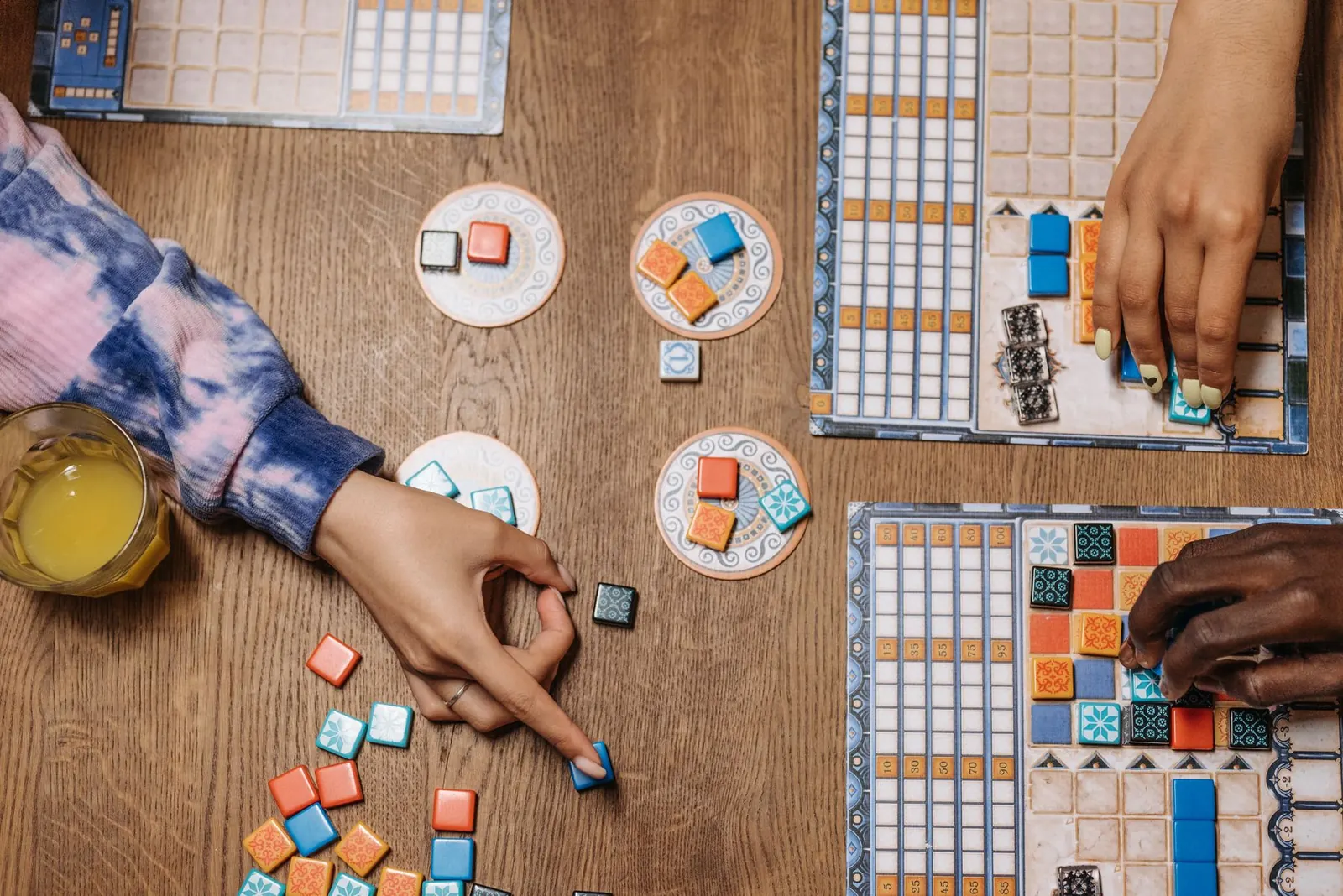
Most game ideas start as a feeling. You can picture the moment: the jump that lands just right, the puzzle that clicks, the last-second escape. The hard part is finding out whether that feeling survives contact with an actual player holding an actual controller.
That is what a game prototype is for. It is not a small version of your finished game. It is an experiment designed to test one thing, usually the core loop, as quickly and cheaply as possible.
The core loop is the whole point
Every game has a core loop: the action the player repeats most often. In a platformer it might be run, jump, land. In a farming game, plant, wait, harvest, sell. In a puzzle game, look, try, fail, understand.
If the core loop is not satisfying, nothing else will save the game. Great art, a moving story and a hundred levels cannot make a dull loop fun for long. If the loop is good, players will forgive rough art and missing features.
So a good prototype focuses almost entirely on the loop. Our Starter package is deliberately narrow: one mechanic, one test level, simple shapes or free asset art. That narrowness is a feature.
What it will look like
Expect it to look rough. Characters might be capsules. The level might be gray boxes. Menus might be a single button. This is normal and, for testing, better than polished art.
There are two reasons. First, simple visuals are fast to change, so you can try ten variations of a jump in the time it takes to animate one character. Second, players react differently to finished-looking art. They comment on the colors and the character design instead of how the game feels. Gray boxes keep the conversation on the mechanic.
If you need a prototype to pitch to a publisher or show on a store page, that is a different goal and needs a different scope. Our Pro package adds custom art for key elements and captures footage for a pitch trailer. Even then, we spend most of the time on how it plays.
What you should get at the end
A useful game prototype handoff includes:
- Playable builds for the platforms agreed, usually a web build anyone can open and a Windows build.
- The engine project with full source, in Unity or Godot, so you or another developer can continue.
- A list of third-party assets and their licenses. Free sound effects, fonts and placeholder art all come with terms. You need to know them before you build on top.
- A short playtest guide with what to watch for and what to ask players afterward.
How to playtest properly
The prototype is only half the work. The other half is watching people play it. A few rules that make the difference between real feedback and polite noise:
Do not explain the game first. Hand over the controller and say as little as possible. If players cannot work out what to do, that is your first finding.
Watch, do not ask. Watch their hands and face. Do they lean in? Do they sigh? Do they keep playing after the point where you would have stopped them? Behavior tells you more than answers.
Ask open questions afterward. "What was going through your head when you fell off there?" is more useful than "Did you like it?"
Test with strangers. Friends want to be kind. Five strangers from your target audience will tell you more than twenty friends.
Look for patterns. One player hating something is an opinion. Three players struggling at the same spot is a design problem.
Reading the results
After a round of testing, you will usually land in one of four places:
- It is fun, players keep going. Great. Move on to the next question, often whether the loop stays interesting over a longer session.
- It is almost fun. Something is off. The jump is too floaty, the timer too strict. This is the most common result and the most useful. Tune it and test again.
- It is fun, but not for the reason you expected. Players ignore your main idea and love something incidental. Pay attention. Several well-known games came from moments like this.
- It is not fun, and tuning does not help. This is disappointing and also valuable. You found out for the cost of a prototype rather than a year of production.
What a prototype cannot tell you
A short prototype cannot tell you whether the game stays fun over twenty hours, whether players will pay for it, or how the market will receive it. It also says little about production questions: how long content takes to make, how the game performs on lower-end hardware, or how hard multiplayer will be.
Those are later experiments. A good plan treats game development as a series of questions, each answered as cheaply as possible before committing to the next.
Engines, licenses and ownership
We build in Unity or Godot depending on the project. Godot is open source with a permissive license. Unity has its own commercial terms that depend on revenue and plan. We explain which applies when we quote.
You own the custom code, art and audio we make for you once the milestone is paid. Free and licensed assets keep their own terms. If you plan to sell the finished game, replace placeholder assets or confirm their licenses allow commercial use. Our handoff list makes that easy to check.
The short version
A game prototype tests one thing: whether your core loop is fun. Expect rough visuals, focus on how it feels, playtest with strangers without explaining, and treat every result, including "not fun", as progress. It is the cheapest way to find out if your idea deserves the next year of your life.