Design · 2 min read
How to make a social media kit you'll actually use
A useful social kit is a small set of templates, sizes and rules: profile images, cover art, and a few post layouts you will actually reuse each week.
Published
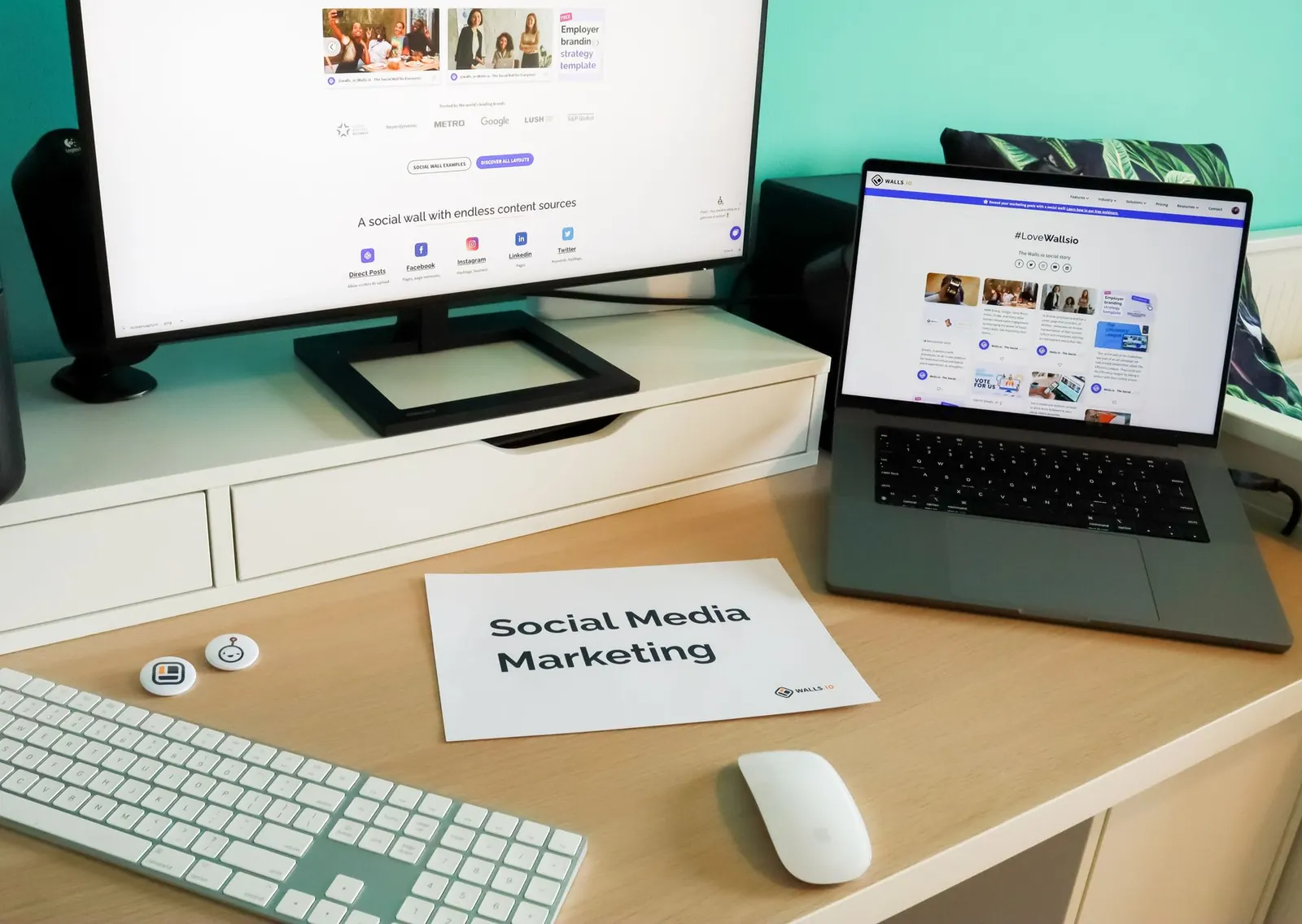
A social media kit you will actually use is a short set of templates, sizes and rules: profile images, cover art, and a few post layouts that already have your logo, type and colors in place. If the kit is a 40-file maze, you will ignore it on the day you need to post.
The test is simple. Can you make a decent post in ten minutes?
Put only the formats you publish in the kit
Start with the profile image and the header or cover for the two platforms you really use. Add one square post and one vertical post if you need both. Add a story or a short-video cover only if that is part of your weekly habit.
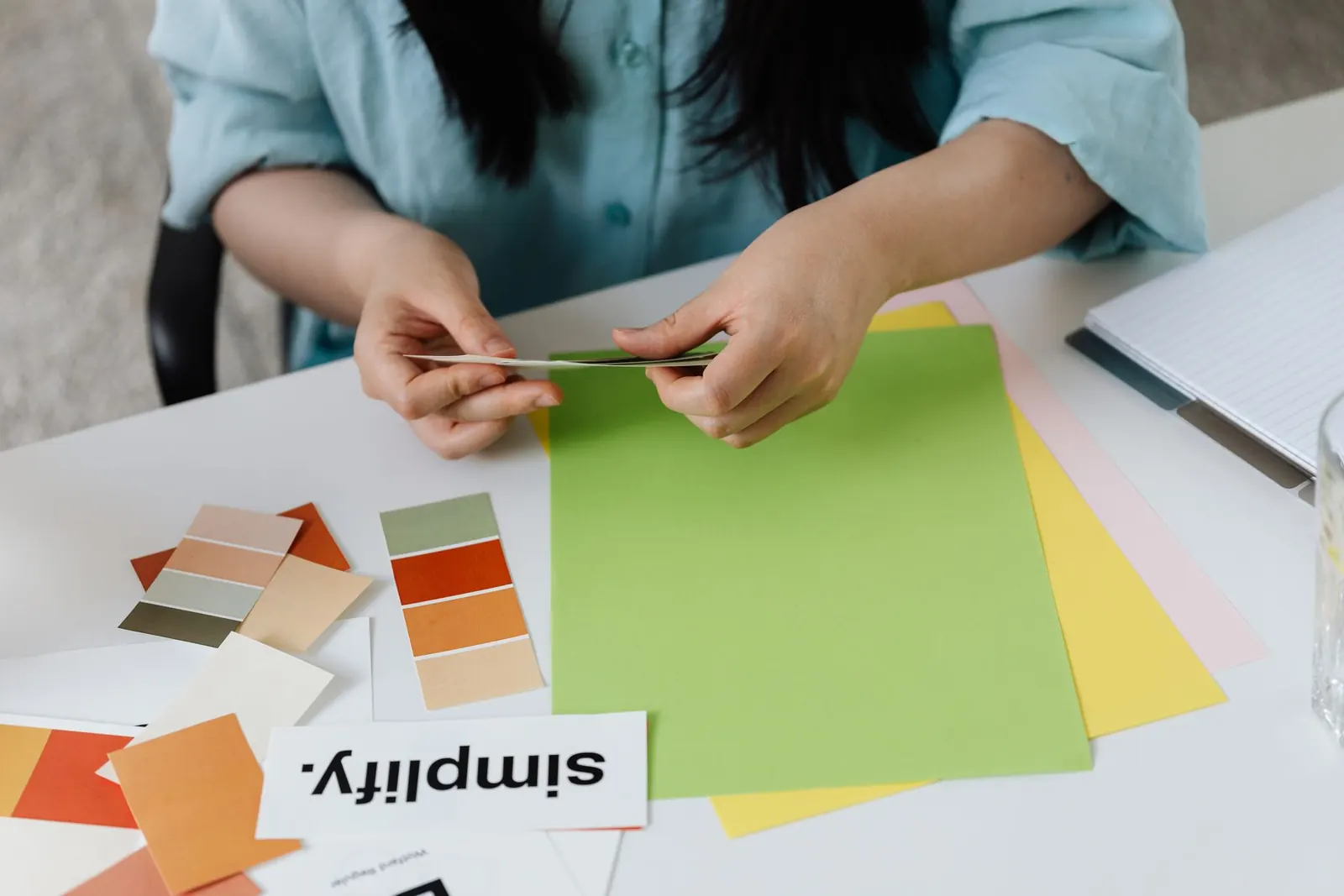
Each template should have a place for a photo, a short headline, and no more text than a phone can read. Locked colors and type stop the "five shades of almost-blue" problem. BabaMake social media kits start at $49 for this kind of launch set.
If the brand itself is still loose, settle a brand identity first, even a compact one, so the kit is not built on a temporary logo.
Write a one-page rule sheet
Note the logo versions (light and dark), the colors, the type, and what not to do: no stretched marks, no huge watermarks, no unreadable stacked text. Say who can publish, and where the master files live.
This page is for future you, and for anyone who helps you. Without it, the kit becomes a folder of old versions.
Keep it alive, but barely
When a platform changes a cover size, update that one file. When a template never gets used, delete it. A small, current kit is more valuable than a complete archive.
If you want the templates made for you, start a project and list the two platforms you post on most. If the accounts themselves are not set up yet, social business setup can sit beside the kit.